Frequently asked questions
What are dry electrodes?
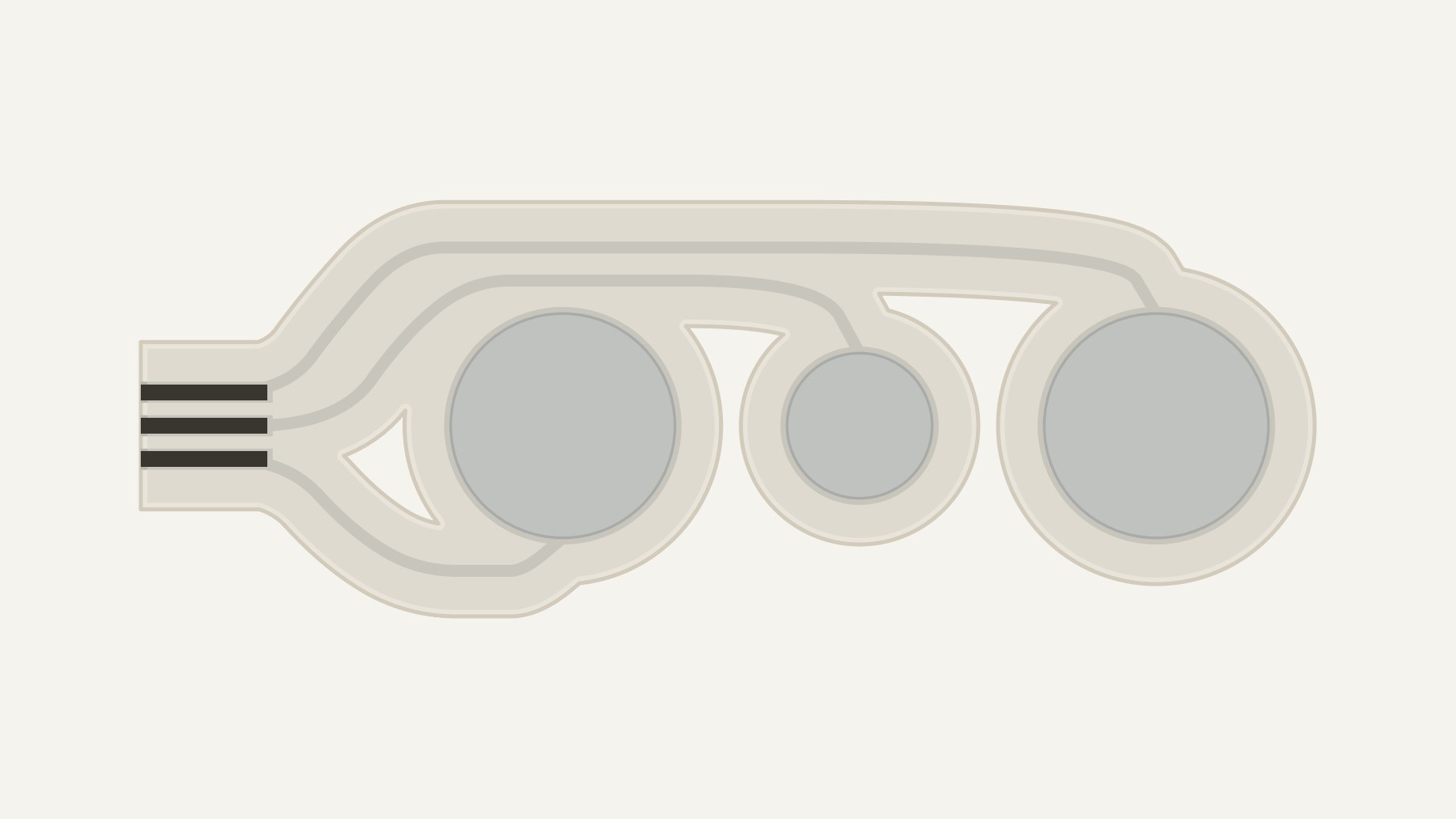
Dry electrodes are conductive electrodes that record or deliver electrical signals through the skin without wet gel, conductive paste, or adhesive. They use conductive ink surfaces (Ag, Ag/AgCl, carbon) on biocompatible substrates to make direct skin contact. Dry electrodes are more comfortable for long-term wear and eliminate skin irritation caused by gel electrodes.
What is a dry ECG electrode?
A dry ECG electrode records cardiac electrical activity without wet gel. It uses Ag/AgCl and carbon inks on biocompatible TPU to create a stable bio-potential sensing surface. Suitable for ambulatory ECG, Holter monitoring, and wearable cardiac health devices. Signal quality remains stable over days, unlike gel electrodes which degrade as the gel dries.
What is a dry EEG electrode?
A dry EEG electrode records brain electrical activity from the scalp without conductive gel. Printed Ag/AgCl and carbon on flexible TPU conform to the scalp without gel preparation. This enables faster clinical setup, improved patient comfort, and the potential for continuous at-home brain monitoring and brain-computer interface applications.
What are TENS electrodes?
TENS (Transcutaneous Electrical Nerve Stimulation) electrodes deliver low-voltage electrical impulses through the skin for pain relief and muscle stimulation. Printed TENS electrodes use Ag, Ag/AgCl, and carbon inks on biocompatible TPU. They are thinner and more conformable than conventional rubber-carbon TENS pads, providing more uniform current delivery over body contours.
Who manufactures dry electrodes in India?
Suryudey Plastic Electronics manufactures dry ECG, EEG, and TENS electrodes in Mumbai, India. Electrodes are screen-printed with Ag, Ag/AgCl, and carbon inks on biocompatible TPU substrates. SPEZL works with medical device companies, research institutes, and hospitals to develop application-specific printed electrode solutions.
How are dry electrodes different from conventional gel electrodes?
Conventional gel electrodes require a wet conductive gel to create a low-impedance skin connection. The gel dries out (degrading signal), causes skin irritation during extended wear, and requires skin preparation (shaving, abrasion). Dry electrodes eliminate gel entirely, are reusable, cause less irritation, need no skin preparation, and provide more consistent performance over long monitoring periods.
What materials are used in printed dry electrodes?
Three primary conductive ink systems: silver (Ag) for high-conductivity traces, silver/silver chloride (Ag/AgCl) for stable bio-potential sensing at the skin-electrode interface, and carbon for flexible sensing and stimulation surfaces. These are deposited onto biocompatible TPU (thermoplastic polyurethane) substrates that are skin-friendly, flexible, and stretchable.